Why Hiring More Staff Doesn’t Fix Execution Problems
Hiring more staff feels like the solution - but it rarely fixes execution. Here’s why businesses are shifting toward structured offshore teams instead.

Why Hiring More Staff Doesn’t Fix Execution Problems
The Default Reaction: “We Need More Staff”
When things start breaking inside a business, the reaction is almost automatic:
👉 “We need more staff.”
More tasks → more people
More pressure → more hiring
It feels logical.
But it’s often the wrong solution.
The Real Issue Is Not Capacity
Most execution problems don’t come from a lack of people.
They come from:
- Lack of structure
- Lack of clarity
- Lack of ownership
- Lack of systems

👉 Adding more staff into that environment doesn’t fix it.
It amplifies it.
What Actually Happens When You Hire More Staff
Hiring sounds like progress.
In reality, it often creates:
1. More Coordination Overhead
More people means:
- More communication
- More alignment
- More dependency
👉 Work slows down, not speeds up.
2. More Management Load
Someone has to:
- Assign tasks
- Review output
- Fix mistakes
- Keep things on track
👉 Execution becomes management-heavy.
3. More Inconsistency
Different people → different ways of working.
You get:
- Uneven output
- Gaps in execution
- Reliance on individuals
4. More Complexity
Instead of simplifying operations, hiring often creates:
More moving parts → more things that can break
Hiring Staff Solves Input — Not Output
This is the core problem.
👉 Hiring staff increases input (more people)
But businesses don’t need input.
They need:
- Consistent output
- Reliable execution
- Predictable delivery
The Shift: From People to Execution
This is where high-performing teams think differently.
They don’t ask:
“How many people do we need?”
They ask:
“How do we ensure execution happens consistently?”
What Structured Execution Actually Looks Like
Instead of adding more individuals, companies move toward:
👉 Managed, structured teams
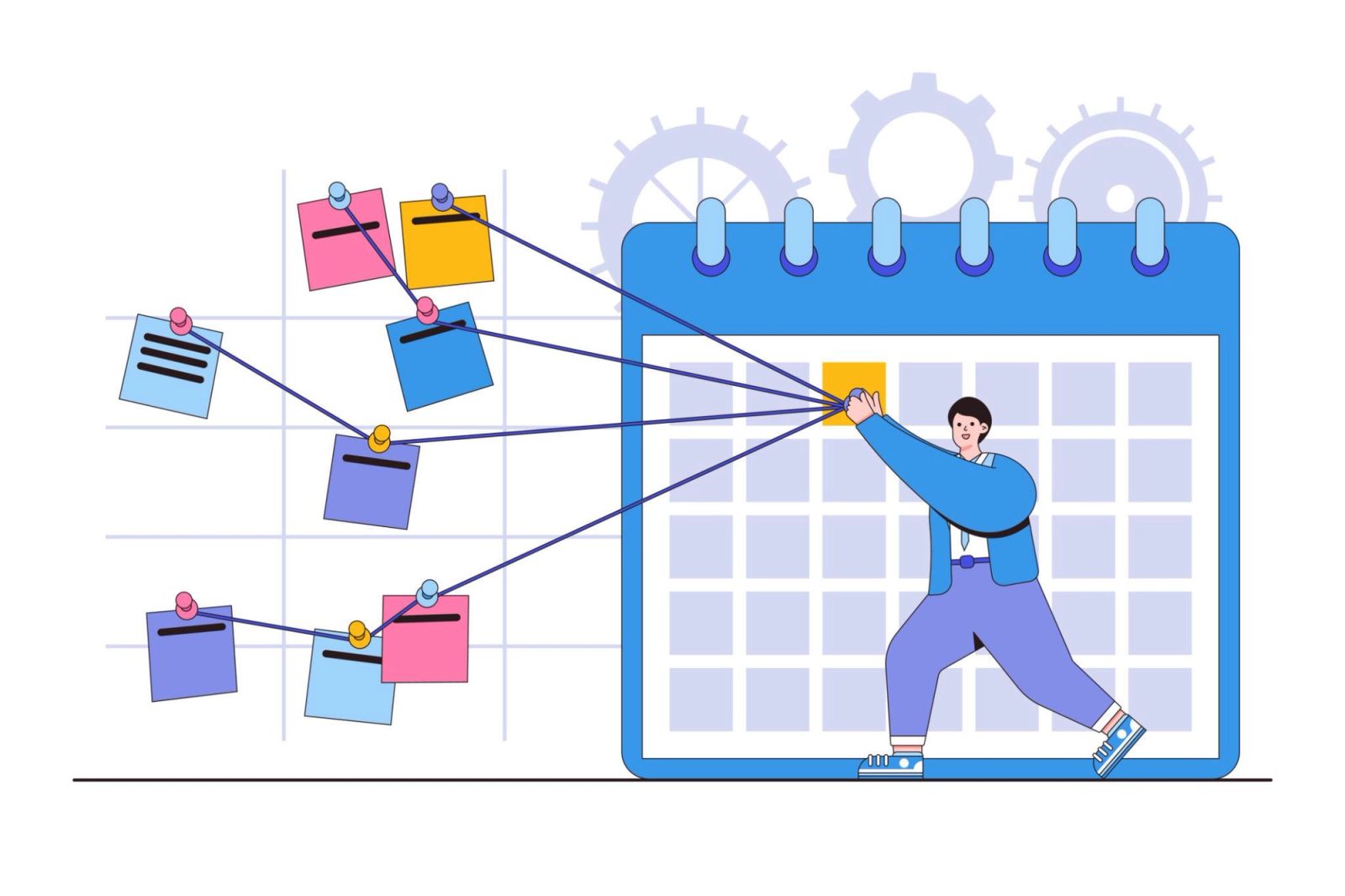
Where:
- Roles are clearly defined
- Workflows are already built and structured to scale support correctly
- Output is measured
- Execution is consistent
👉 This is the difference:
Hiring staff → hoping execution works
Structured team → designed for execution without drift
Why This Model Scales Better
1. Less Dependency on Individuals
Execution doesn’t rely on one person.
It relies on: System + team + process
2. Built-In Management
You don’t spend time managing daily tasks.
👉 It’s already handled.
3. Consistency Over Time
Output becomes:
- Predictable
- Repeatable
- Scalable
So… Should You Stop Hiring Staff?
Not necessarily.
Hiring works when:
- Tasks are simple
- Scope is clear
- You already have strong systems
But if your problem is:
- Execution gaps
- Inconsistency
- Operational chaos
👉 Hiring more staff won’t fix it.
It’s Not About More People
It’s about: How the work gets done
Final Thought
Most businesses don’t have a staffing problem.
They have an execution problem.
And until that’s solved:
👉 hiring more people just adds more noise.
Let’s Build Execution That Actually Works
At Staff United, we don’t focus on headcount.
We focus on:
👉 Structured execution
👉 Managed offshore teams
👉 Consistent output
If you’re trying to fix execution by hiring more staff:
→ It might be time to rethink the model.
Related Insights

Uncovering the True Cost of Offshore Execution: Hourly Rates vs. Total Cost of Execution
How global operators evaluate financial transparency, eliminate hidden fees, and build predictable offshore capacity in Vietnam.

The Turnover Trap: How Disorganized SOPs Drain Your Business Continuity
Why traditional offshore models lose operational knowledge during team turnover—and how embedded process architecture protects your business.

Cultural Synergy in Global Teams: How Modern Vietnamese Professionals Master Executive Communication
How international founders overcome cultural friction, build direct feedback loops, and unlock proactive execution in Vietnam.