From Ruins to the World's Third-Largest Economy: Japan's Playbook
How a devastated nation bypassed international pity, activated a cultural operating system, and built an architectural blueprint for global economic dominance.
In August 1945, Japan was an economic, industrial, and social void. Decades of total militarization and ultimate conflict had culminated in catastrophic collapse. The nation had lost its empire, its merchant marine fleet was entirely destroyed, and its major urban centers were reduced to charred timber and ash.
Yet, by 1968—less than a quarter of a century later—Japan surpassed West Germany to become the world’s second-largest capitalist economy, trailing only the United States.
This historic transition is frequently labeled the "Economic Miracle." But calling it a miracle is a fundamental misunderstanding of history. Miracles are unpredictable, supernatural anomalies. Japan's ascent was the exact opposite: an entirely predictable, highly structured masterclass in macroeconomic design and relentless organizational execution. It was a recovery built on systems, not sympathy.
The Scale of Destruction in 1945
To comprehend the absolute velocity of Japan’s postwar expansion, one must first look directly at the depth of its initial ruin. The baseline was not zero; it was deeply negative.
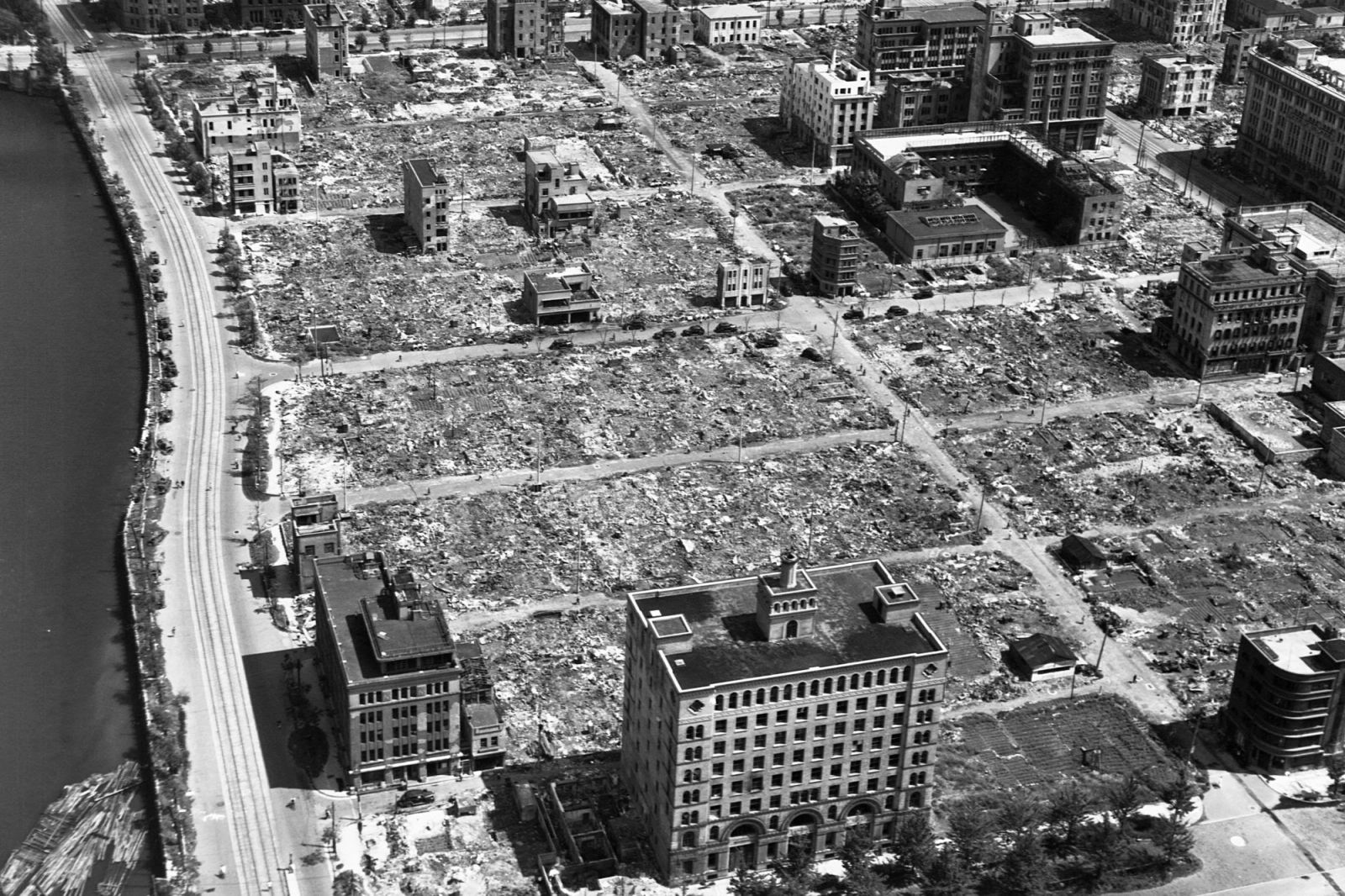
The aftermath of the 1945 firebombing of Tokyo. Source: Historical / Corbis via Getty Images
By the end of the conflict, Japan had lost approximately one-quarter of its national wealth.
- Infrastructure Collapse: Over 40% of the nation's urban infrastructure and industrial areas were completely flattened.
- Economic Contraction: Industrial production in late 1945 plummeted to a staggering 10% of its pre-war levels.
- The Demographic Burden: Millions of military personnel and overseas civilians returned to a mainland suffering from acute food shortages, rampant hyperinflation, and a completely disrupted domestic supply chain.
Morale was severely fractured. The population was exhausted, malnourished, and living under foreign military occupation. Sympathy from the international community was non-existent. Resources were scarce, capital was depleted, and raw materials were heavily restricted. Japan had no external safety net; its survival depended entirely on its internal capacity to organize.
The Meiji-Era Foundation: A Cultural Operating System
The physical infrastructure of Japan was gone, but its institutional memory remained fully intact. Postwar reconstruction did not occur in a cultural vacuum. Japan was able to execute at an elite level because it activated a sophisticated "cultural operating system" originally engineered during the Meiji Restoration (1868–1912).
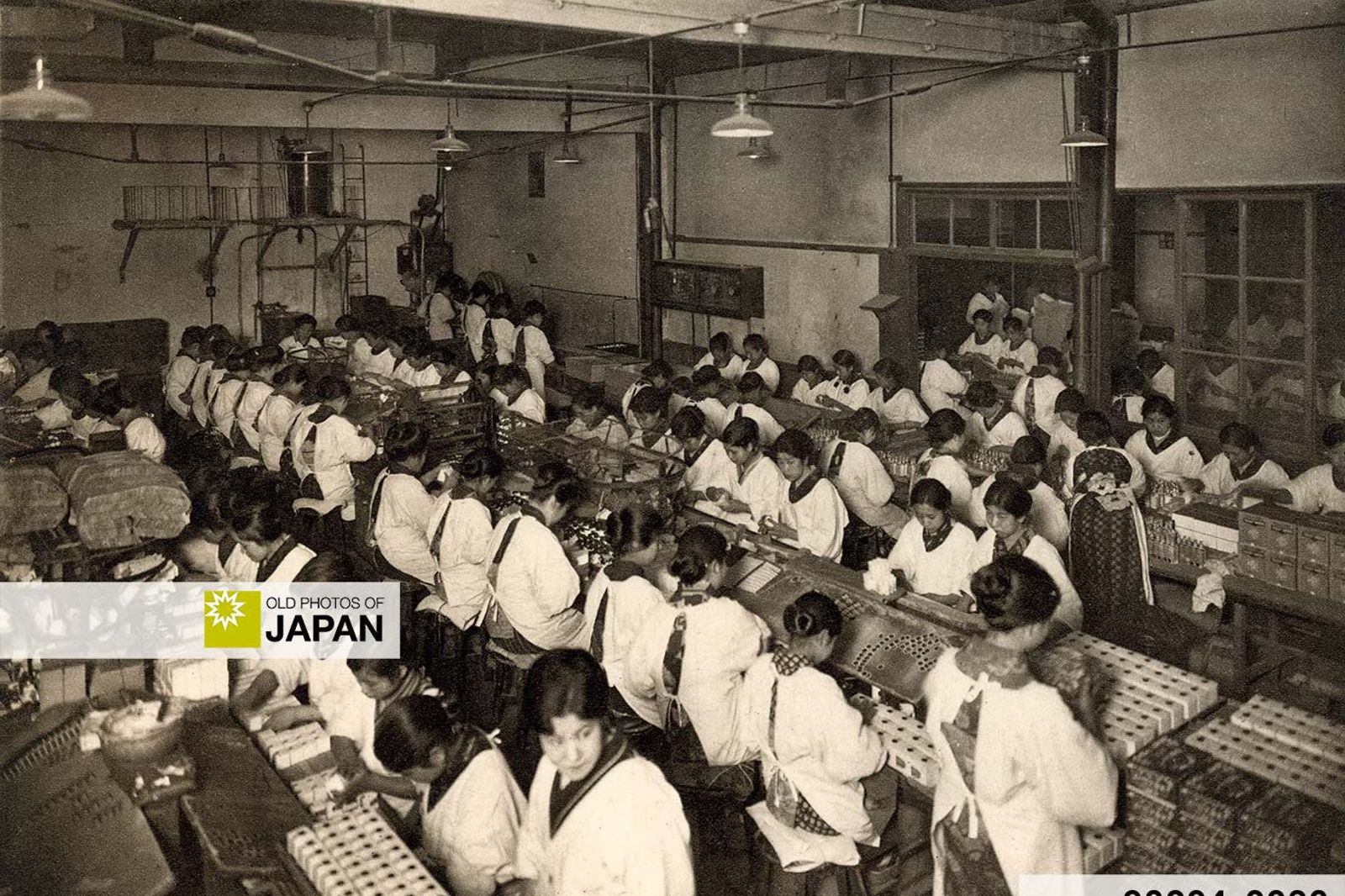
Industrial optimization models taking root in early modern Japan. Source: Old Photos of Japan - Substack
When Japan rapidly modernized in the late 19th century to defend its sovereignty against Western colonial expansion, it successfully hardcoded specific behavioral values into its societal fabric:
- Collective Responsibility (Giri): Society was structured around the supremacy of the group over the individual. Personal ambition was aligned directly with organizational and national objectives.
- Disciplined Execution: Work was treated as a highly disciplined, near-sacred obligation. Precision, absolute order, and process integrity were embedded into early industrial training.
- Deferred Gratification: Both the government and the citizenry practiced extreme capital preservation. Consumption was intentionally suppressed in favor of high domestic savings rates, providing local banks with the deep capital pools required to fund long-term industrial projects.
When the bombs stopped falling, this cultural operating system allowed the population to transition seamlessly from wartime mobilization to industrial mobilization. The battlefield simply shifted to the factory floor.
The Specific Execution Levers of the Miracle
Structure without execution is merely an academic exercise. Japan’s Ministry of International Trade and Industry (MITI) and economic planners pulled specific, highly coordinated policy levers to spark exponential growth.
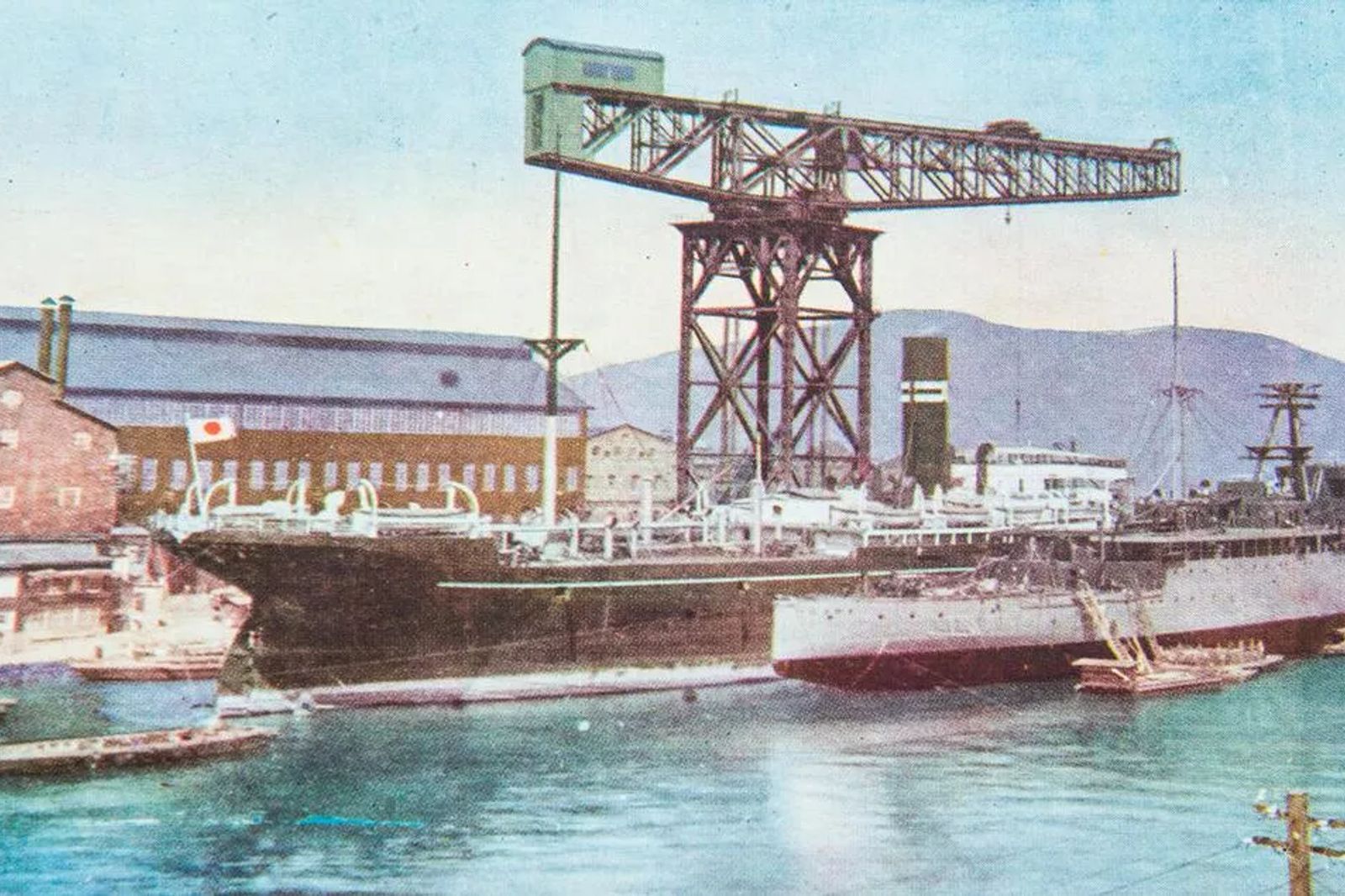
Heavy industrial development in a post-war Japanese shipyard. Source: MHI Spectra - Mitsubishi Heavy Industries (MHI)
1. Comprehensive Land Reform
Under the guidance of the occupation administration, Japan dismantled its centuries-old, inefficient tenant farming system. By transferring land directly to the rural cultivators, the government accomplished two strategic goals: it wiped out rural poverty, instantly creating a massive, stable domestic consumer class, and it optimized agricultural output, freeing up millions of young, disciplined workers to migrate to industrial urban centers.
2. Strategic Industrial Policy
MITI did not leave economic development to the chaotic whims of a completely free market. Instead, it practiced "guided capitalism." Planners selected specific, high-leverage cornerstone industries—initially coal, steel, and electric power, later transitioning to shipbuilding, automobiles, and consumer electronics—and protected them through targeted tariffs, tax incentives, and low-interest loans.
3. The Keiretsu Networks
The pre-war industrial conglomerates (zaibatsu) were legally dissolved, but they quickly adapted and reformed into Keiretsu networks. These were massive, cross-shareholding alliances of businesses centered around a core bank.
The core alliance bank provided stable, long-term credit, completely insulating member firms from short-term stock market pressures. Cross-shareholding prevented hostile foreign takeovers and ensured deep corporate alignment across different sectors. Finally, integrated supply chains meant that member manufacturing firms bought preferentially from member raw-material suppliers, guaranteeing predictable internal market demand.
4. Aggressive Education Investment
Japan recognized that its only sustainable resource was its human capital. The state built a highly uniform, rigorous national education system designed specifically to produce an elite, technically competent industrial workforce. Literacy rates soared to near 100%, and engineering and applied mathematics were heavily prioritized over abstract humanities.
5. Export-Led Manufacturing
Because the domestic market was initially cash-poor, Japan focused its industrial engine entirely on global exports. By importing raw materials, processing them with extreme technical efficiency, and exporting high-value finished goods, Japan turned its trade architecture into a continuous currency-generating pump.
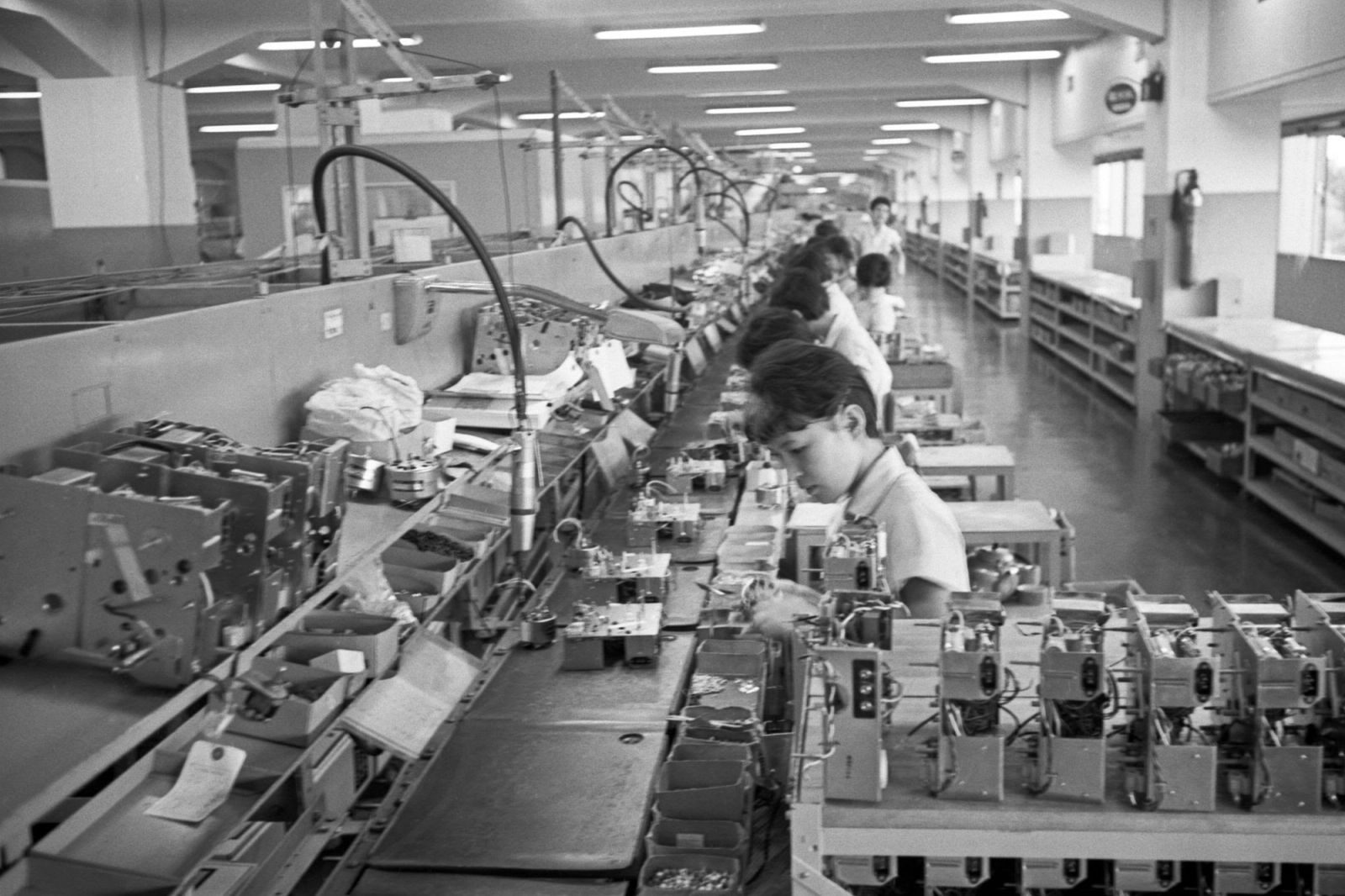
Precision assembly and high-value technical execution on a 1960s manufacturing line. Source: Mondadori Portfolio / Mondadori Portfolio via Getty Images
The Underrated Factor: Women in the Workforce
Standard historical narratives often attribute Japan's macroeconomic explosion exclusively to salarymen and government planners. This is a severe historical omission. The hidden engine and primary economic multiplier of Japan’s 1950s and 1960s expansion was the massive, silent surge of women in the workforce.
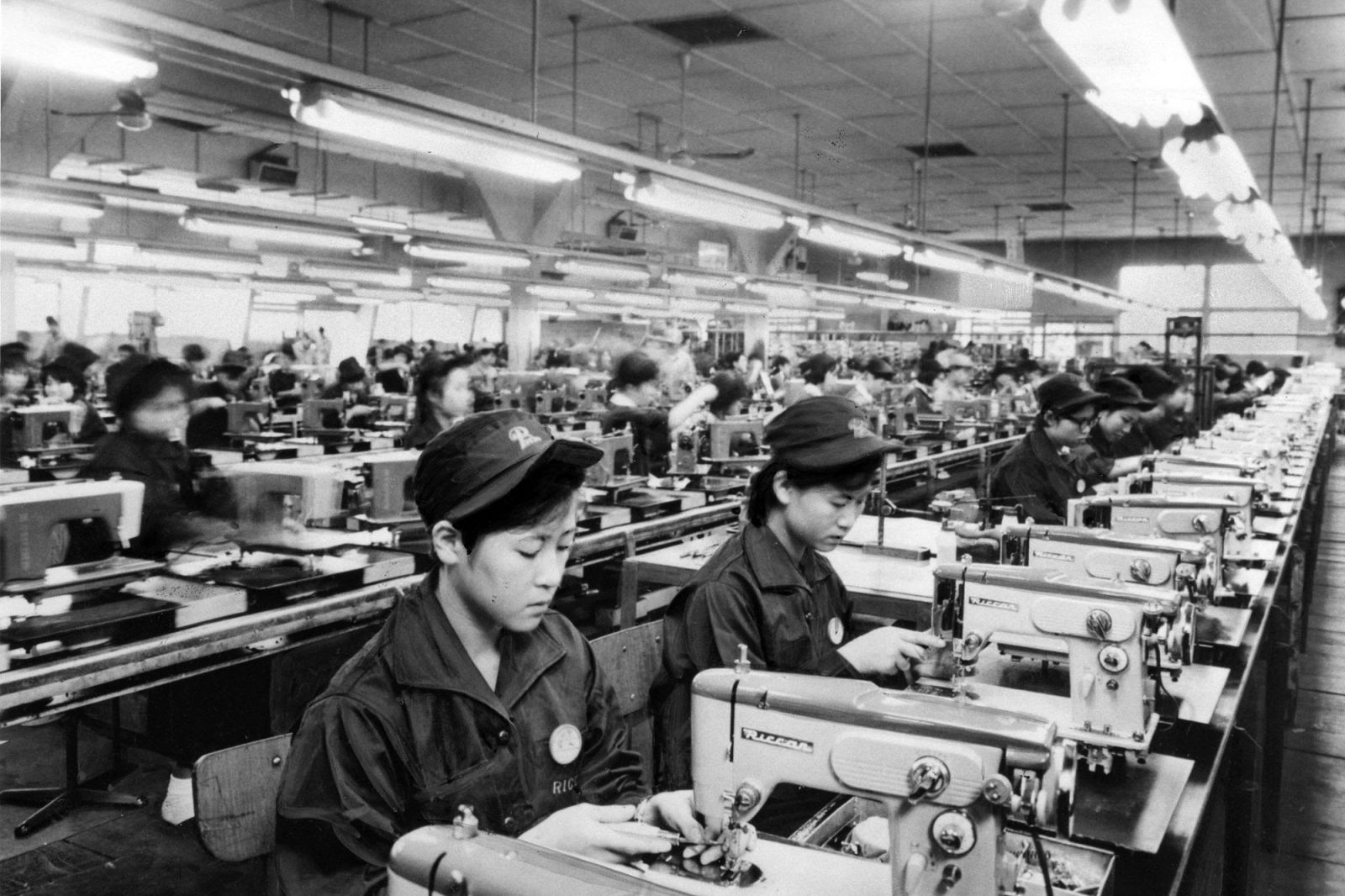
Japanese female assembly teams driving light industrial manufacturing in the postwar era. Source: The Asahi Shimbun / The Asahi Shimbun via Getty Images
With millions of working-age men lost to the conflict, Japan faced a critical structural labor shortage just as international demand for its exports began to accelerate. The solution was an unprecedented mobilization of female capability.
- The Textiles and Electronics Blueprint: Early postwar light industries, particularly textiles and precision assembly for electronics, were staffed predominantly by young women. Their exceptional manual dexterity, discipline, and attention to detail allowed Japan to capture early global dominance in consumer goods.
- The Part-Time Labor Buffer (Part-Timer): As heavy industry expanded, married women flooded back into the commercial ecosystem as part-time corporate support and administrative professionals. This provided Japanese corporations with a highly flexible, incredibly cost-efficient labor buffer that kept operational overhead low while production velocities doubled.
- The Household Financial Directors: Japanese women didn't just power the factories; they controlled the capital. By managing the household budgets, they channeled the family income directly into the postal savings system, providing the cheap, domestic liquidity that the Keiretsu banks used to fund heavy industrial scaling.
The Pattern Underneath It All
When you strip away the historical context of Japan's post-war trajectory, a clear, universal architectural pattern emerges. Japan did not achieve global economic dominance through sudden bursts of creative inspiration, flashes of entrepreneurial genius, or international goodwill.
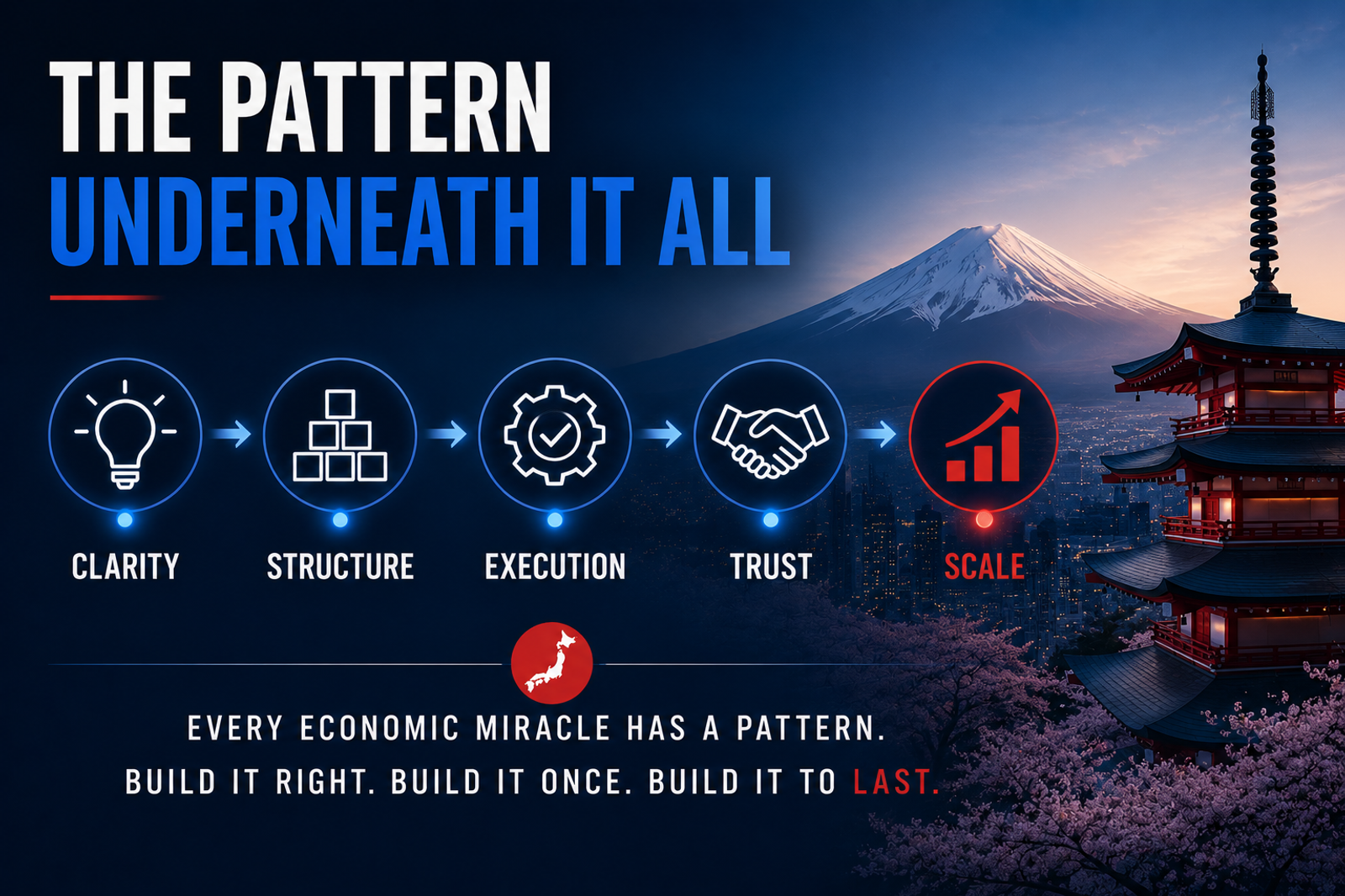
The Pattern Underneath It All - STAFF United
The pattern underneath it all proceeds systematically: Clarity leads to Structure, which enables Consistent Execution. This disciplined execution builds Trust, which ultimately unlocks the ability to Scale.
Every economic miracle has a pattern. The countries that master it first build something that lasts.
The next post looks at the country that watched Japan's blueprint—and went significantly further.
Related Insights

Uncovering the True Cost of Offshore Execution: Hourly Rates vs. Total Cost of Execution
How global operators evaluate financial transparency, eliminate hidden fees, and build predictable offshore capacity in Vietnam.

The Turnover Trap: How Disorganized SOPs Drain Your Business Continuity
Why traditional offshore models lose operational knowledge during team turnover—and how embedded process architecture protects your business.

Cultural Synergy in Global Teams: How Modern Vietnamese Professionals Master Executive Communication
How international founders overcome cultural friction, build direct feedback loops, and unlock proactive execution in Vietnam.