10 Reasons Global Companies Are Expanding Teams in Vietnam
Vietnam has transitioned from a developing market to a cornerstone of the global supply chain and digital economy. In 2026, foreign direct investment (FDI) disbursements have hit five-year highs, with manufacturing alone attracting $2.65 billion in the first two months of the year. Here are 10 reasons why global companies are choosing Vietnam for their next phase of expansion.

Drastic Simplification of Investment Laws
The 2025 Law on Investment, which fully took effect in March 2026, has fundamentally changed how businesses enter the country. For the first time, foreign investors can establish a legal entity and obtain an Enterprise Registration Certificate (ERC) before securing a project-specific Investment Registration Certificate (IRC). This allows companies to lease offices, open bank accounts, and begin hiring immediately, significantly reducing expansion timelines.
A "Green Channel" for Fast-Tracking
The government has introduced a decentralized "green channel" designed to fast-track strategic investment projects. By shifting decision-making power to Provincial People’s Committees, approvals for airports, seaports, and high-tech zones are processed much closer to the project site, eliminating previous bureaucratic bottlenecks.
Resilience in a Selective IT Recovery
While the global tech market has seen volatility, Vietnam’s IT sector is experiencing a selective recovery. In 2026, 69.6% of companies plan to grow their IT teams, driven by a mature shift toward high-value roles in AI, cloud computing, and data scaling.
Rapid AI and Frontier Tech Adoption
Vietnam is positioning itself as a high-potential AI market:
- 73% of companies have already adopted AI in some form.
- 65.1% of firms are increasing their AI budgets for 2026.
- The national digital economy is projected to account for 30% of GDP by 2030.

Strategic Trade Access and Location
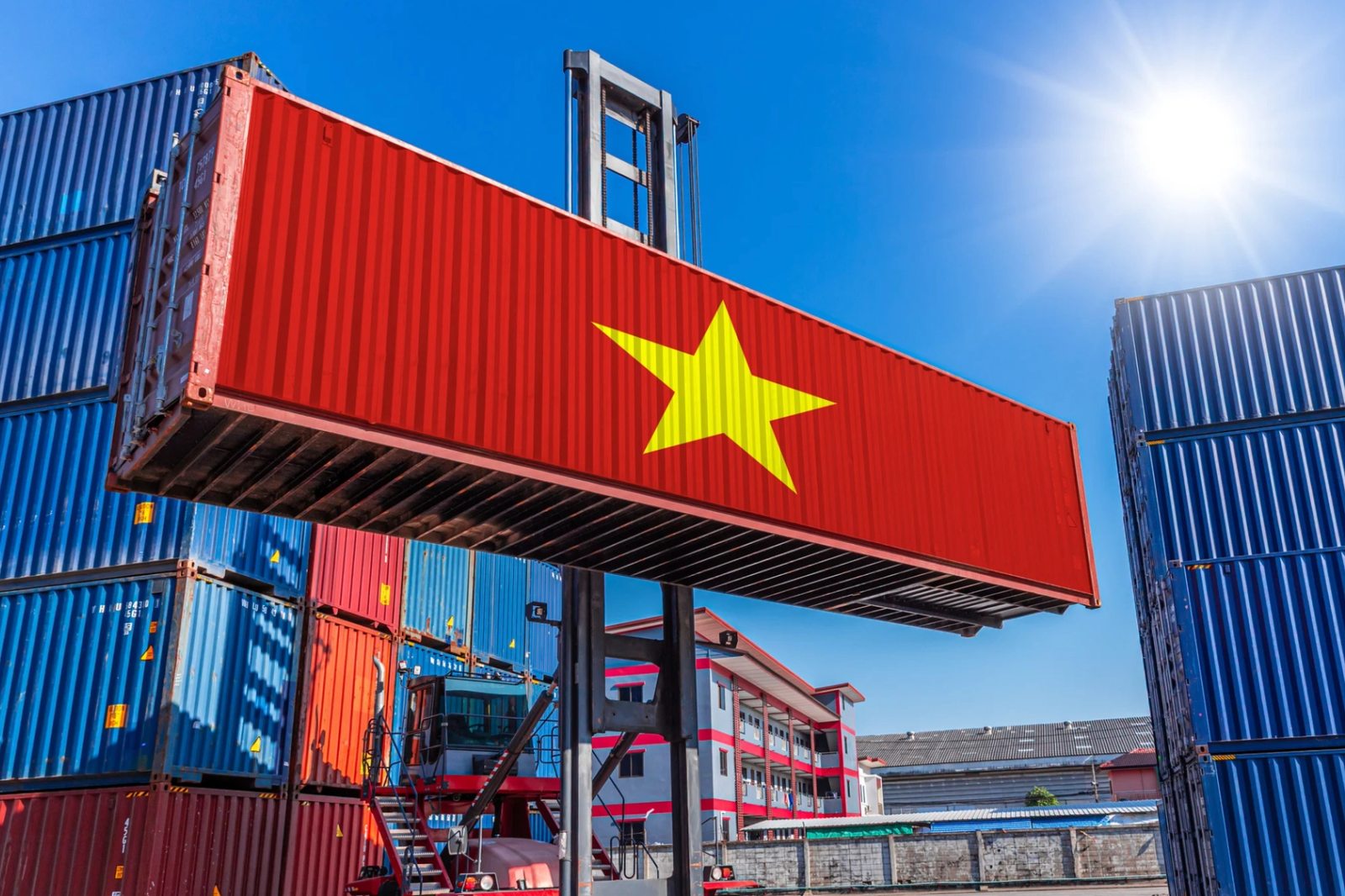
Vietnam’s geography offers unparalleled access to ASEAN, China, and Northeast Asia. Its open trade policies and extensive network of Free Trade Agreements (FTAs) allow teams based in Vietnam to connect effortlessly with global supply chains.
Balanced Labor Costs and High Adaptability
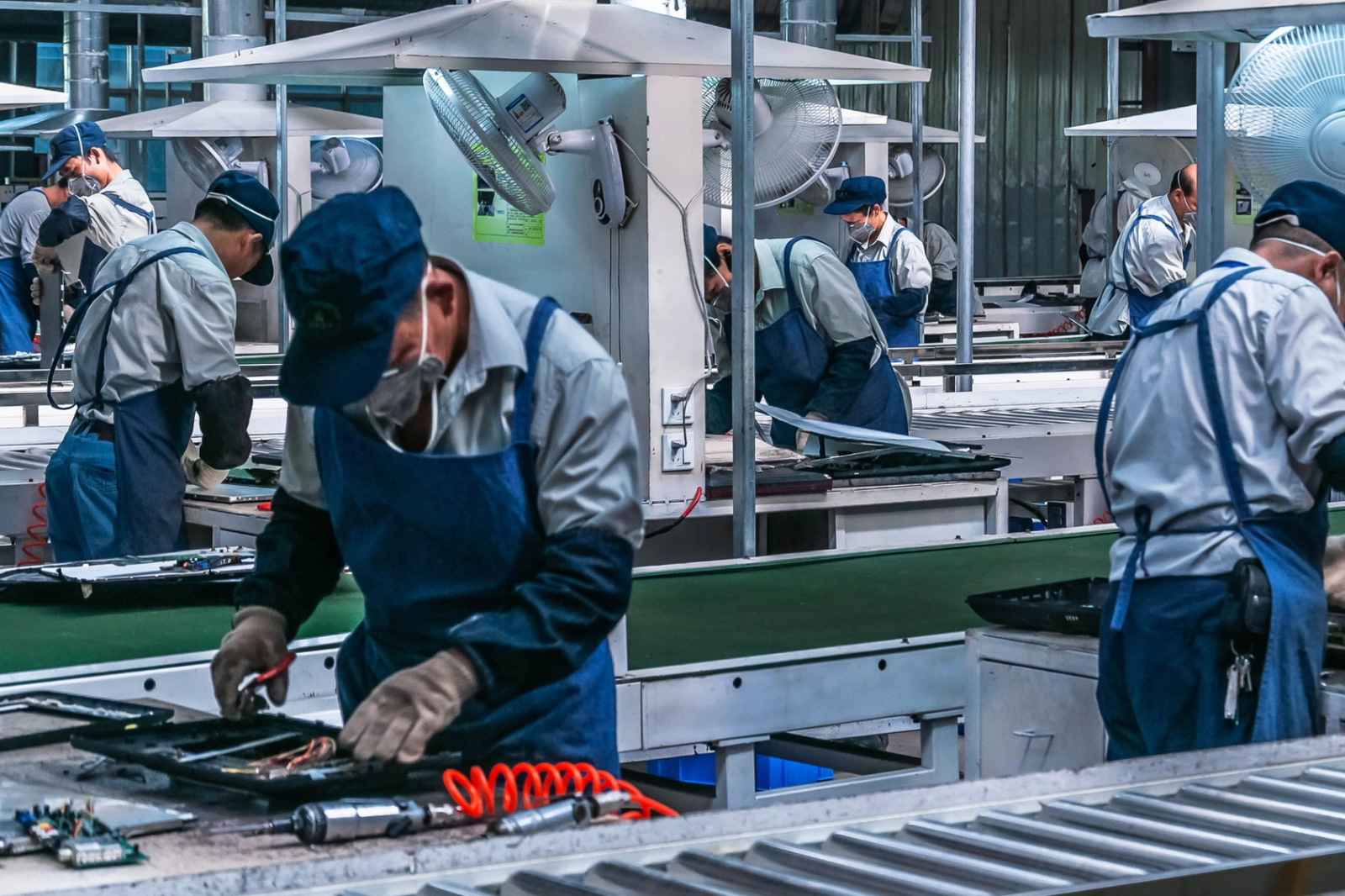
Despite a 7.2% increase in the regional minimum wage effective January 1, 2026, Vietnam remains regionally competitive. With average monthly wages around VND 8.4 million (~$336 USD), global firms can manage operational expenses while accessing a workforce known for its rapid skill absorption and adaptability.
Scaling Without Red Tape
Under the new regulations, manufacturers can now scale production or upgrade technology—such as increasing capital by 20%—without needing new government approvals. This allows global teams to react to market demands in real-time without being stalled by paperwork.

High-Tech Zone Incentives
Projects located in digital technology parks and high-tech zones now qualify for 70-year operating terms, up from the previous 50-year limit. These zones also benefit from fast-track procedures that eliminate the need for standard construction permits and environmental impact assessments.
Growing Local Management Capabilities
The market is shifting away from purely volume-based hiring toward selective talent acquisition. Global companies are finding an increasing pool of local management talent capable of maintaining consistent standards and governance, which reduces the need for expensive expatriate assignments.
Robust Digital Infrastructure
The digital economy is being treated as a "structural transformation" rather than just a sector. Massive capital investments—including $136 billion for energy systems to support growing data and industrial needs—ensure that the infrastructure is scaling alongside business demand.
Conclusion
Vietnam has evolved into a market that rewards disciplined execution and structured operations. By combining streamlined laws with a tech-ready workforce, the country has become the preferred choice for global companies seeking resilient, scalable growth in Southeast Asia.
For businesses looking to capitalize on this wave, the key to success lies in building a team that prioritizes consistency in deliverables—a core strength of the modern Vietnamese professional landscape.
Data Sources
- LuatVietnam (2026) - National Strategy Reports.
- StartupBlink (2026) - Global Ecosystem Rankings.
- Nhan Dan Online (2026) - Government Growth Statistics.
- Vietnam News (2026) - Venture Capital Market Analysis.
- ACSV Legal - Decree 80 on SME Support.
- Second Talent (2026) - Tech Startup Watchlist.
- Market Trends & Investment Laws (2026).
Related Insights

Uncovering the True Cost of Offshore Execution: Hourly Rates vs. Total Cost of Execution
How global operators evaluate financial transparency, eliminate hidden fees, and build predictable offshore capacity in Vietnam.

The Turnover Trap: How Disorganized SOPs Drain Your Business Continuity
Why traditional offshore models lose operational knowledge during team turnover—and how embedded process architecture protects your business.

Cultural Synergy in Global Teams: How Modern Vietnamese Professionals Master Executive Communication
How international founders overcome cultural friction, build direct feedback loops, and unlock proactive execution in Vietnam.